Japandi Minimalism in Indian Design: A Natural Convergence
The shared sensibility between Japanese restraint and Indian craft creates a design language that feels both ancient and utterly modern.
The word "Japandi" — a portmanteau of Japanese and Scandinavian design — became fashionable in interior design circles around 2020. But the design philosophy it describes is much older: the marriage of material honesty, functional restraint, and quiet craftsmanship.
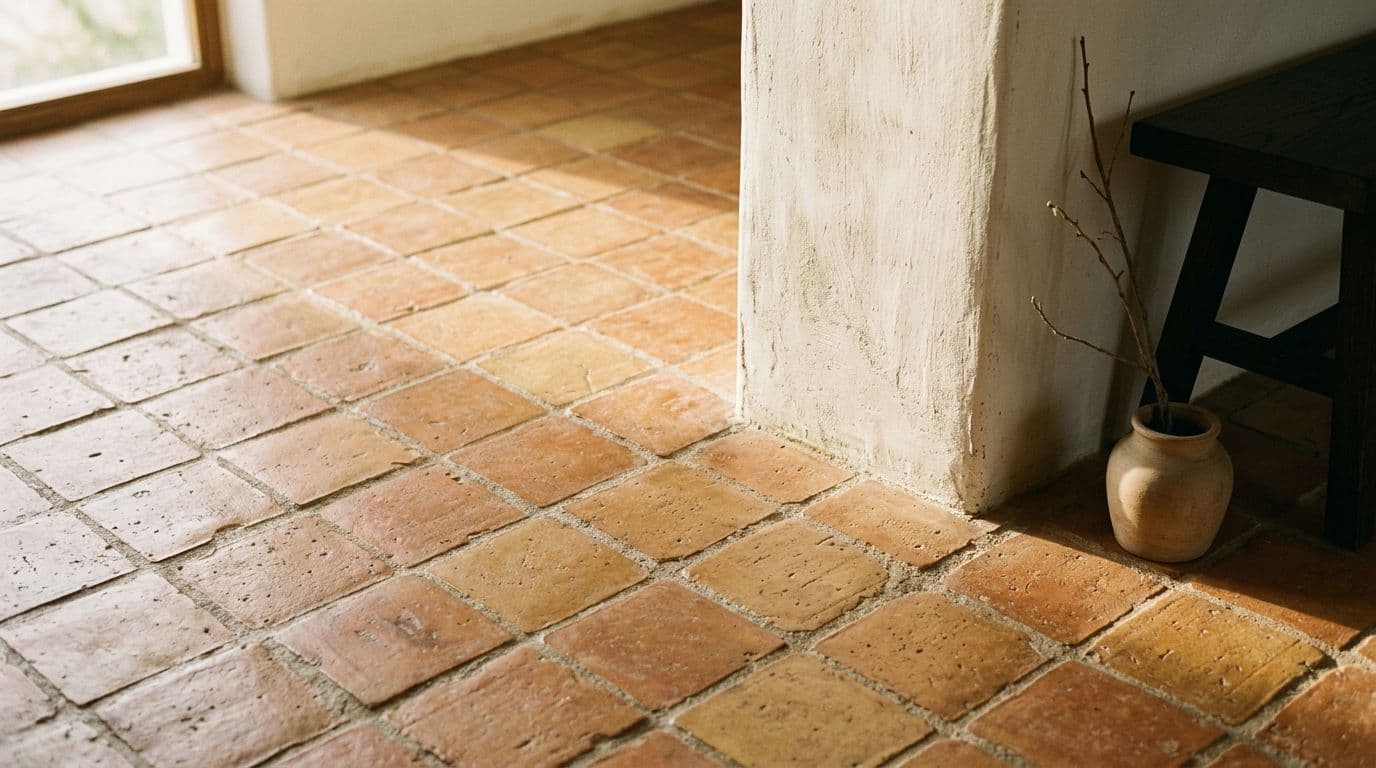
What is less often remarked upon is how naturally Indian design fits within this sensibility. India has its own deep tradition of minimalist craft — from the white-lime-washed walls of a Rajasthani haveli to the spare geometry of a Mughal garden — that resonates with both the Japanese wabi-sabi aesthetic and the Scandinavian emphasis on natural materials.
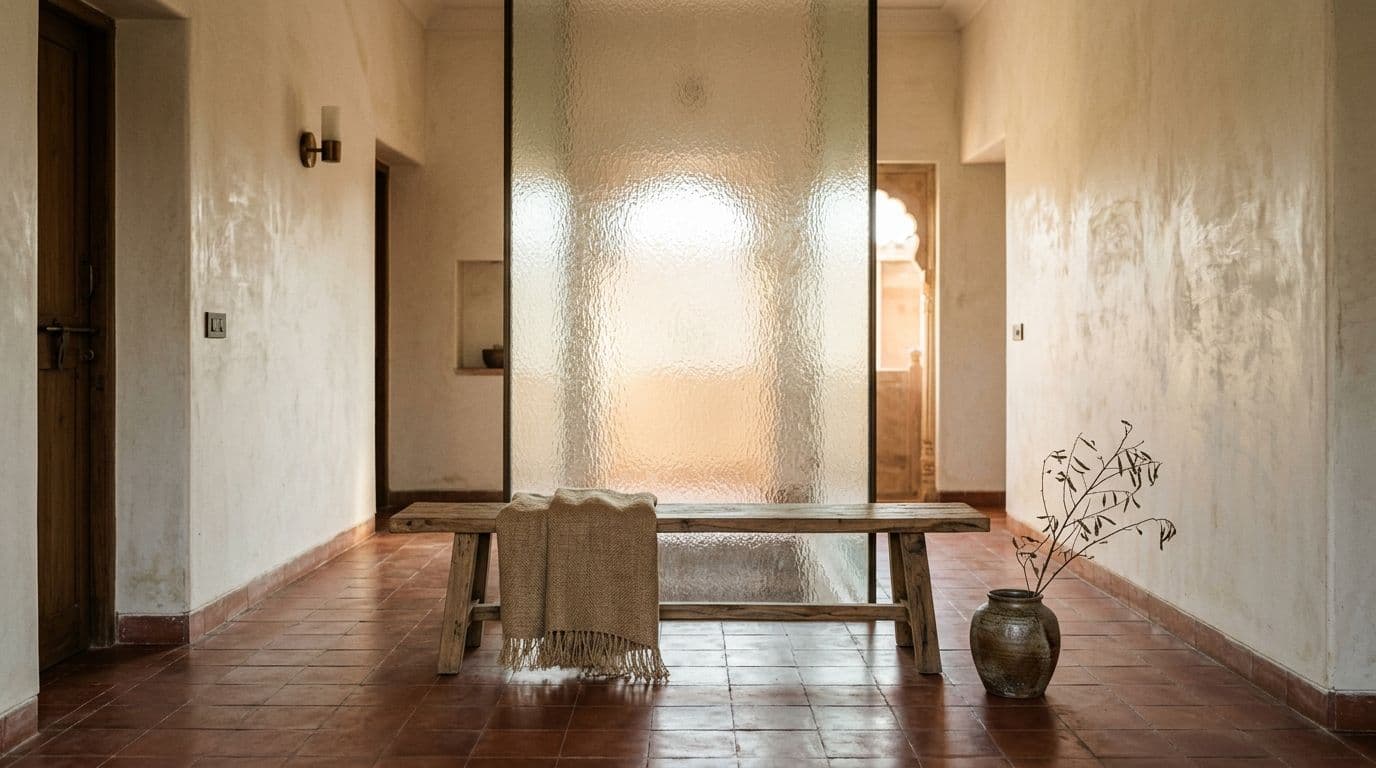
At NUMAEX, we experience this convergence directly in our work. The most resonant NUMAEX spaces are those where our glass products meet the restraint of a carefully considered Indian material palette — handmade terracotta tiles, raw jute, unfinished teak — rather than the maximalism that can sometimes dominate luxury Indian interiors.
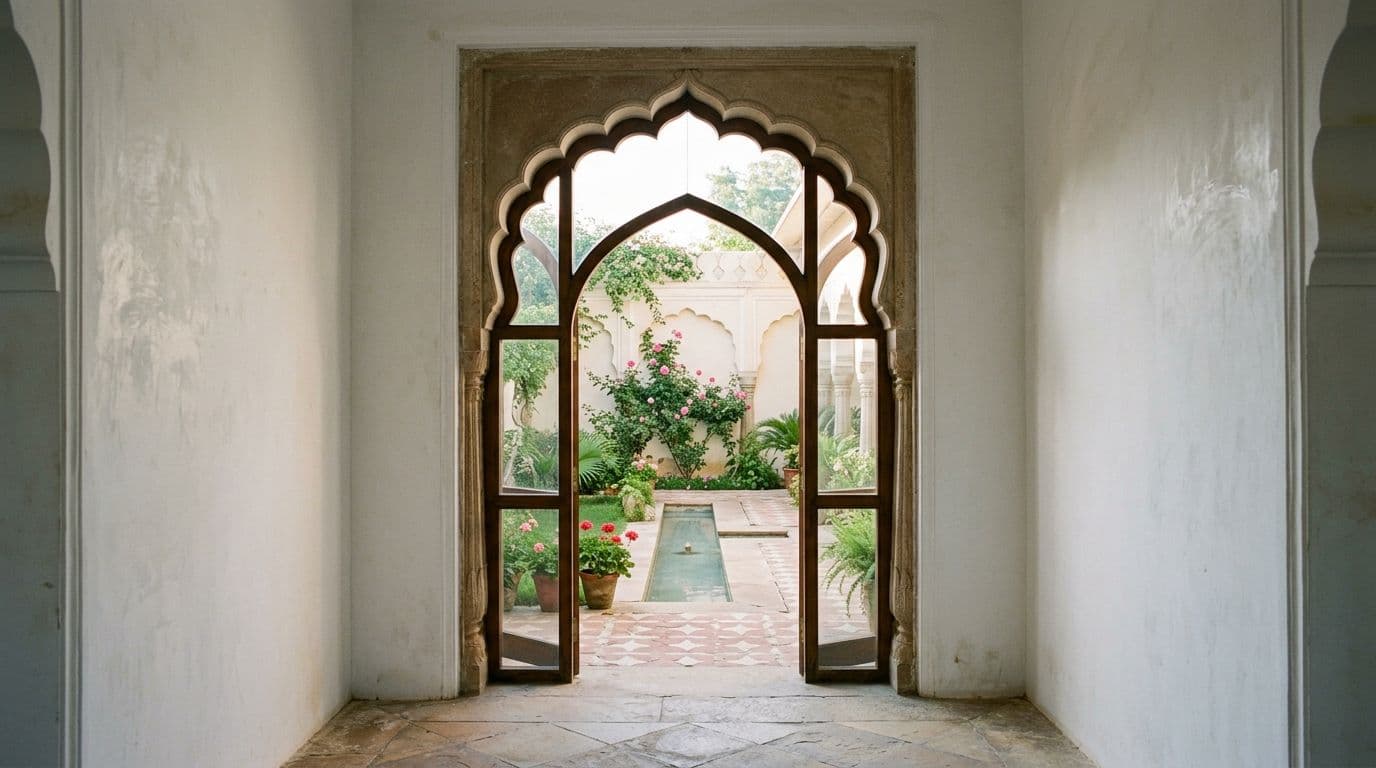
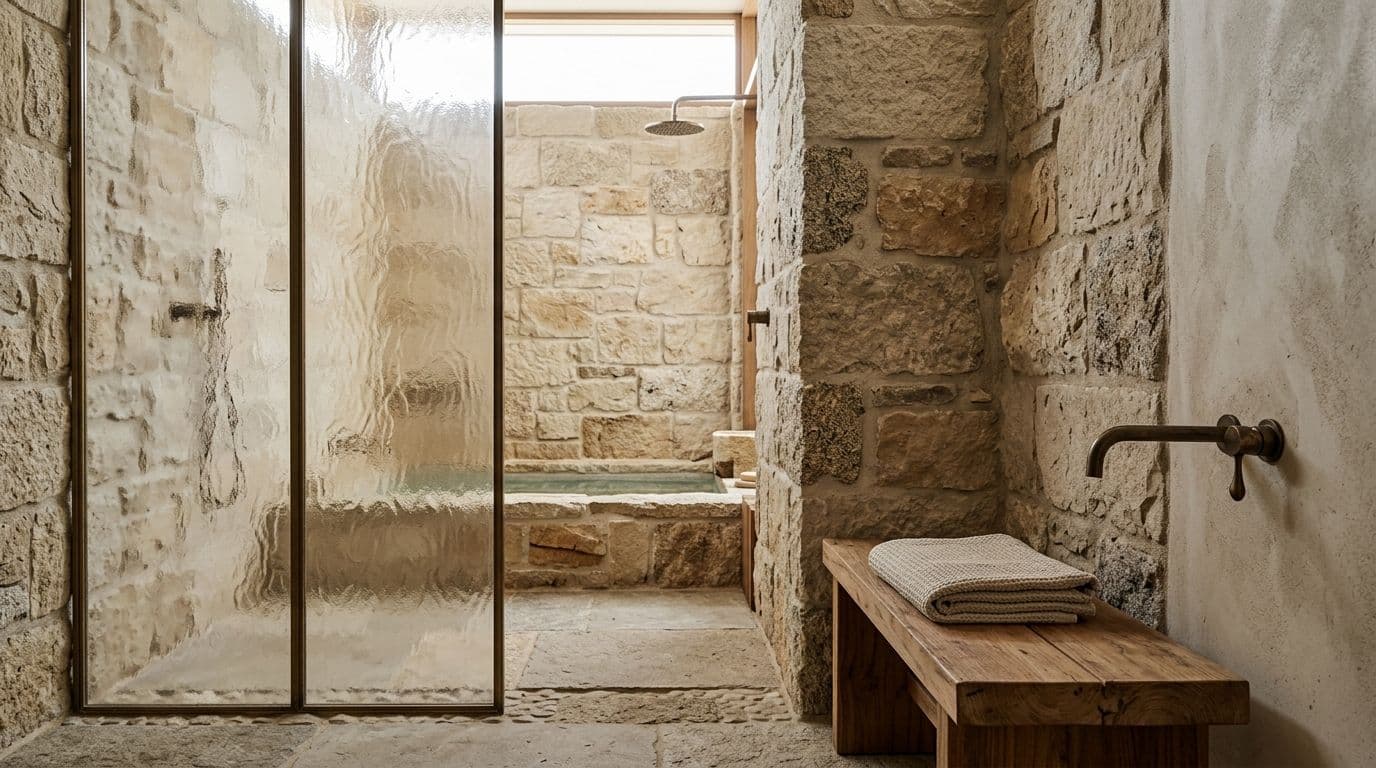
Glass, in this context, is the ideal material. It is simultaneously modern and ancient, industrial and artisanal, present and invisible. A Tactile glass panel in a space that also uses hand-laid stone does not clash with the stone — it amplifies it, adding a layer of light and texture that enriches the whole without competing with any individual part.
The most interesting direction in Indian interior design right now is not towards more complexity but towards more deliberateness — fewer materials, each selected with care, each doing its job without apology. NUMAEX glass belongs in those spaces.