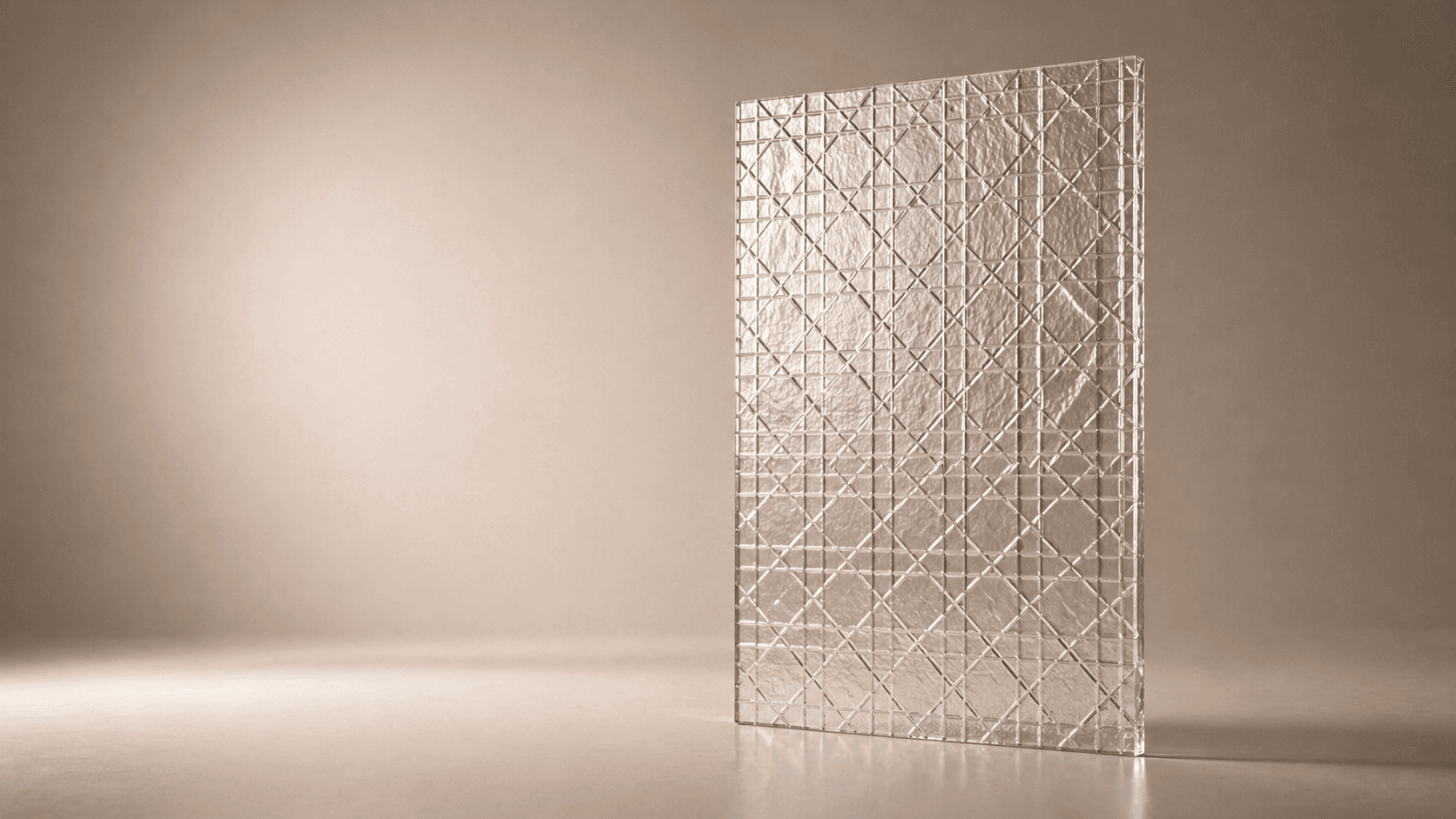
Glass, in every
Dimension
From tactile kiln surfaces to precision digital prints — a complete understanding of glass as architectural material.
Glass, understood by family
Every glass surface belongs to a family. Each family has its own light behaviour, structural logic, and specification requirements.
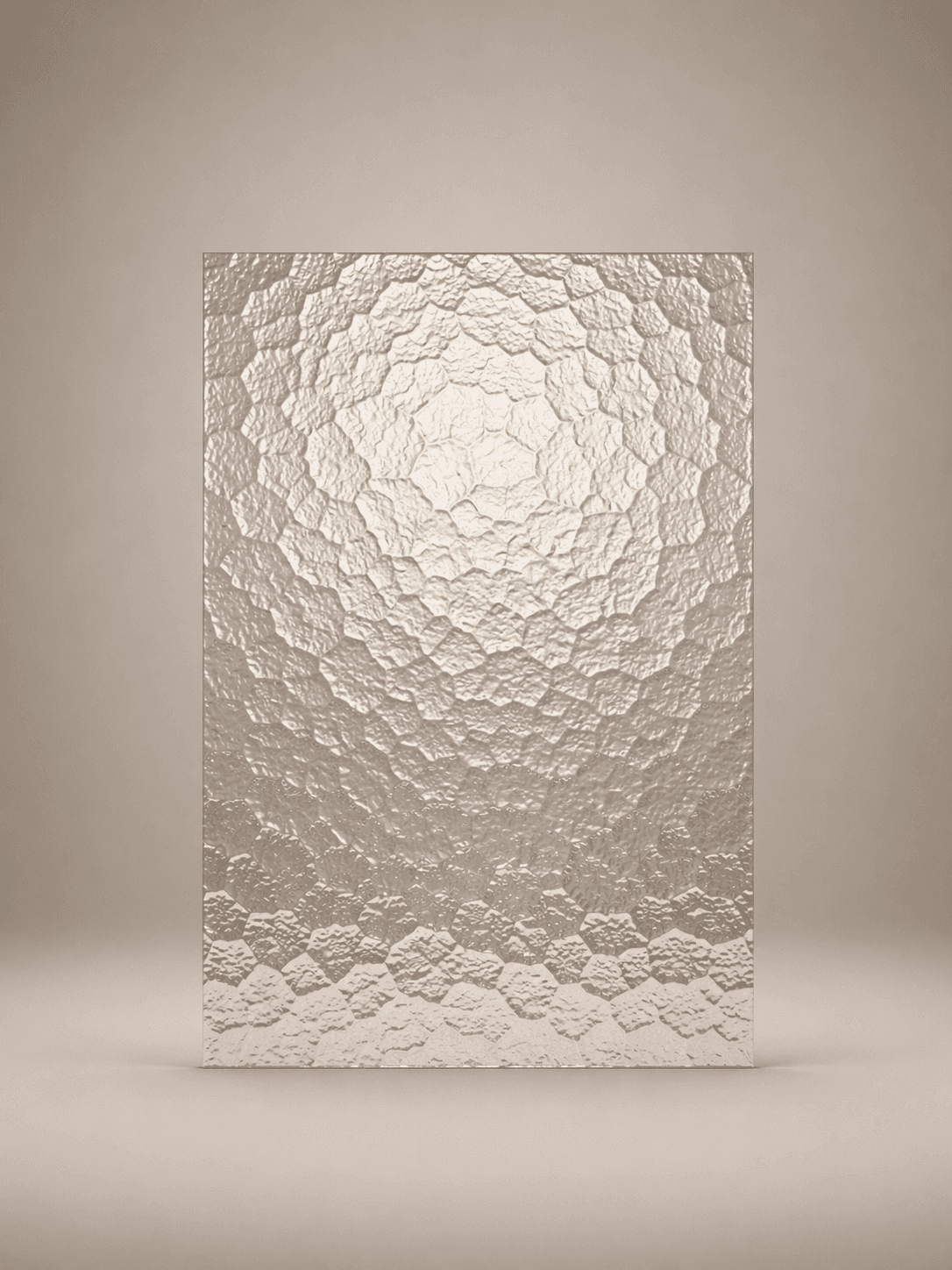
Pattern Glass
Refracting light through geometry. Kiln-formed and rolled surfaces.
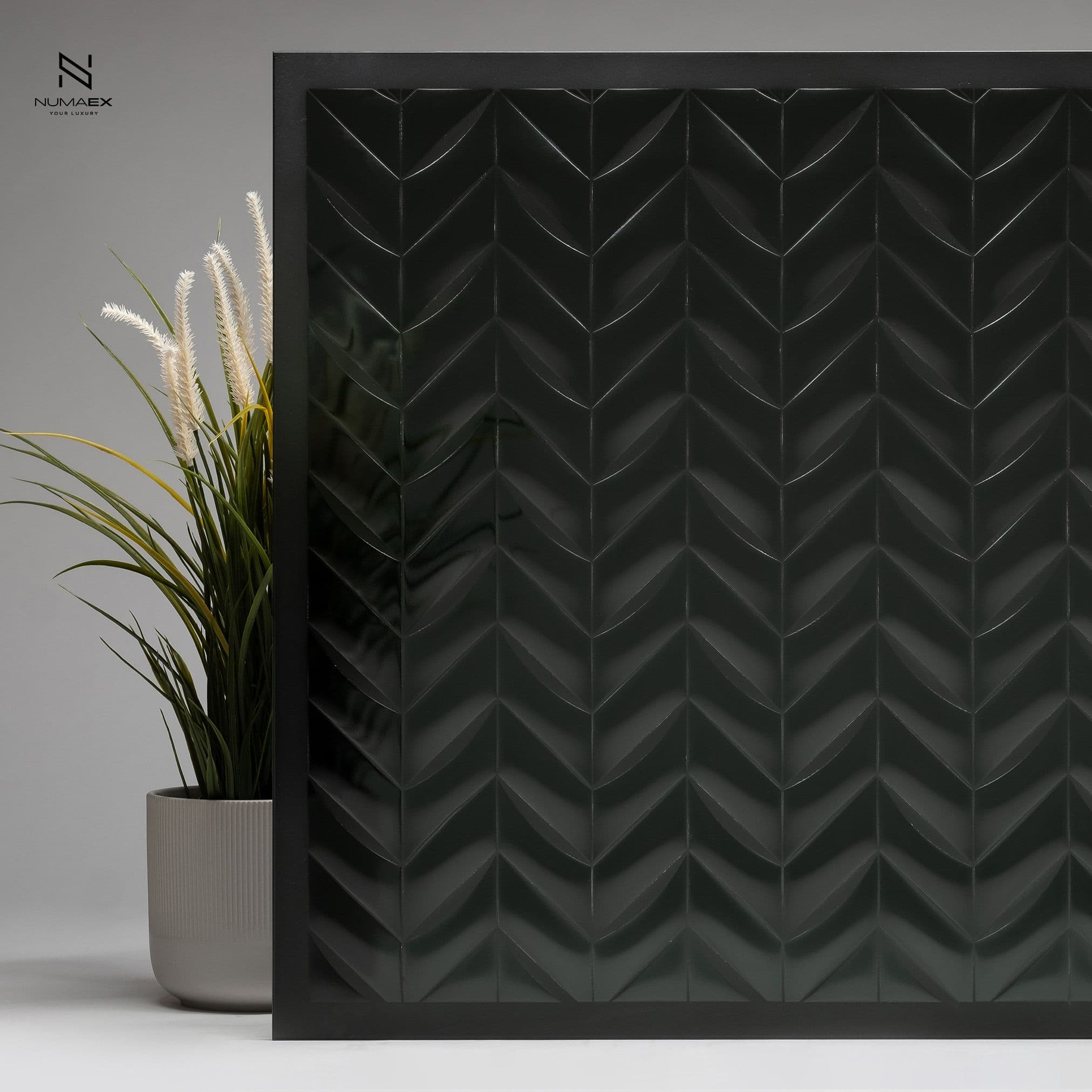
Kiln Cast Glass
Surface as statement. Frozen in motion.
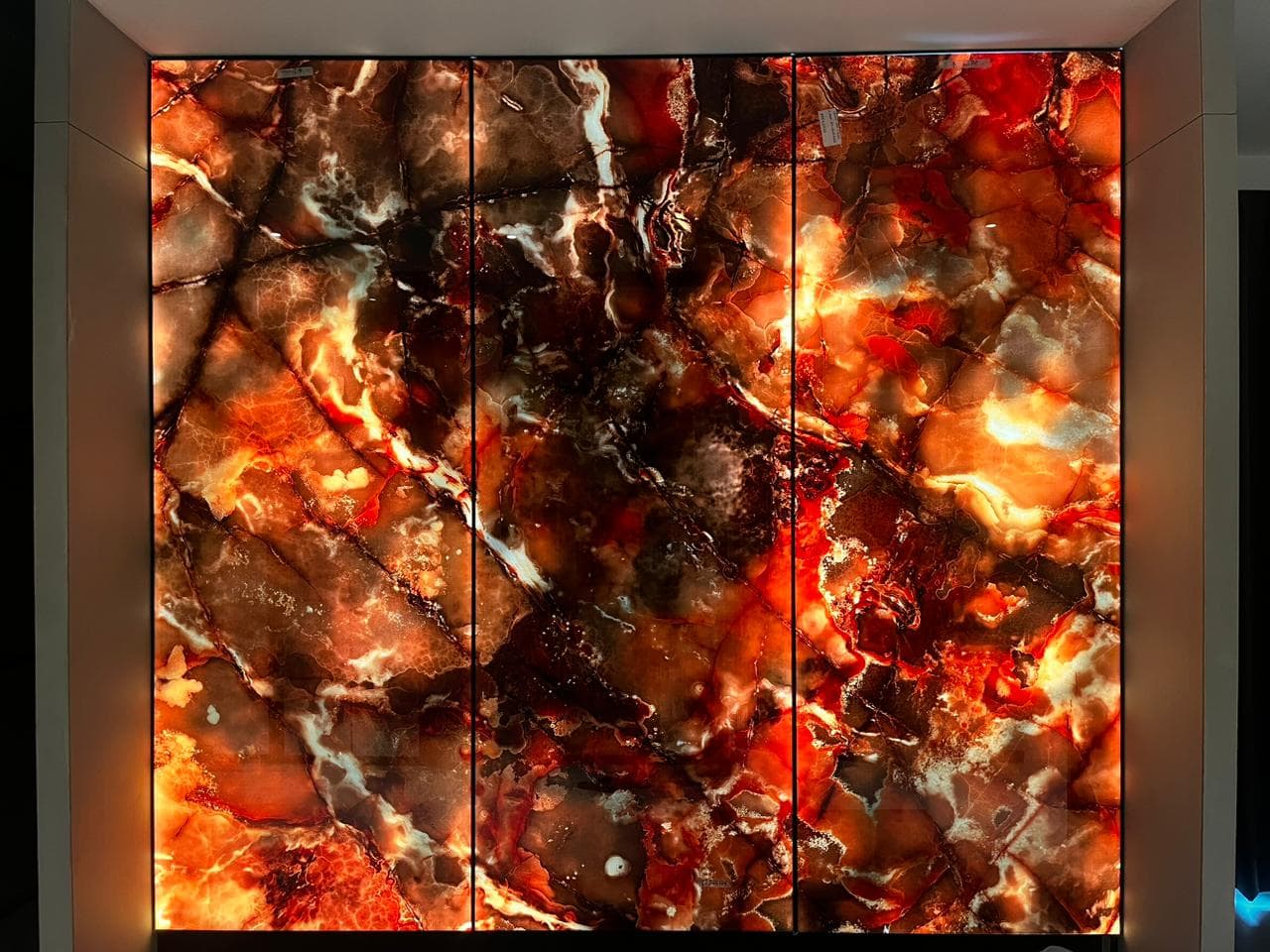
Backlit Glass
Glass that holds and emits light. Ambient, architectural, atmospheric.
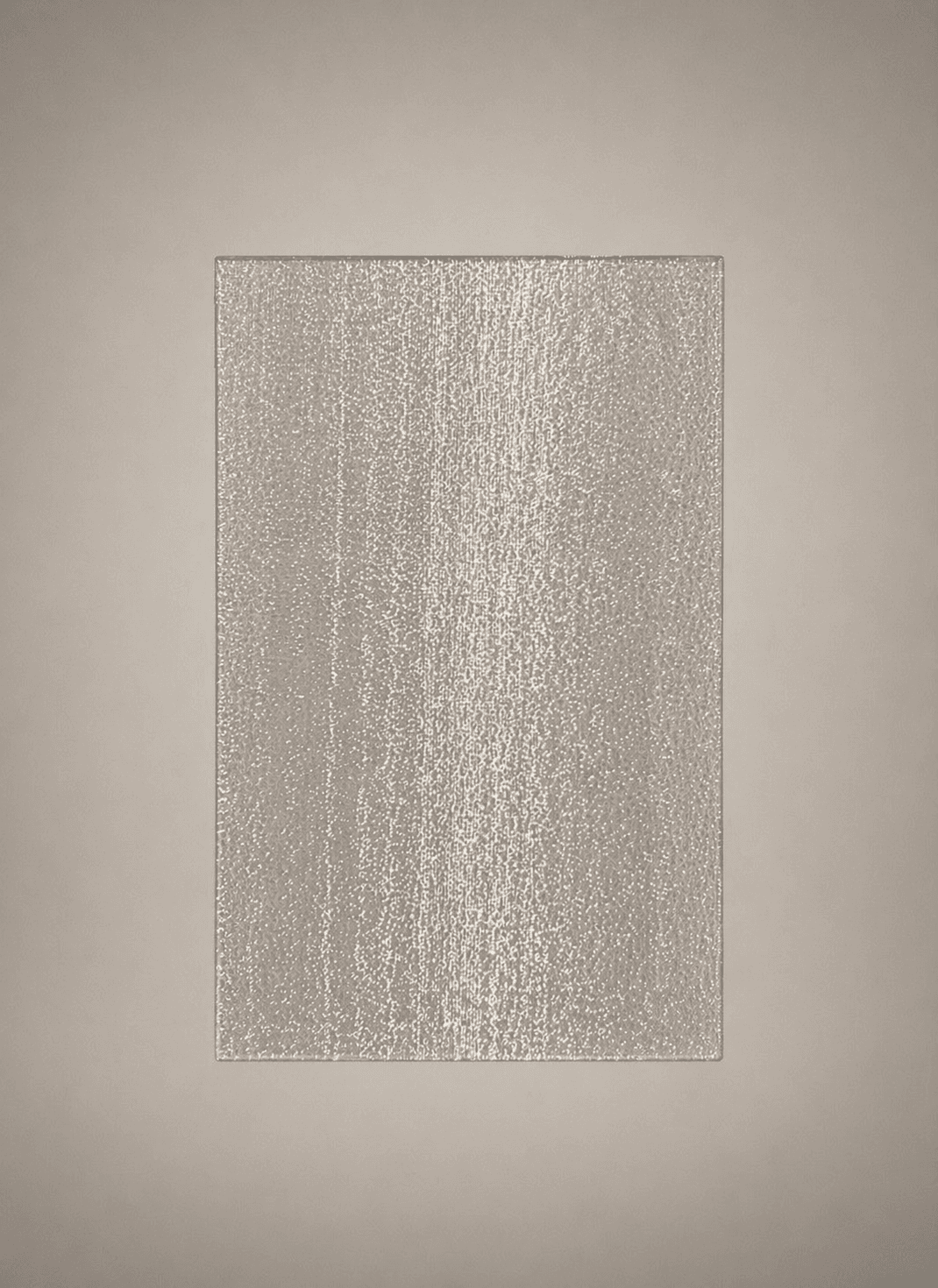
Mesh Glass
Light caught in a lattice; a whisper of metal suspended in glass, where structure becomes ornament.
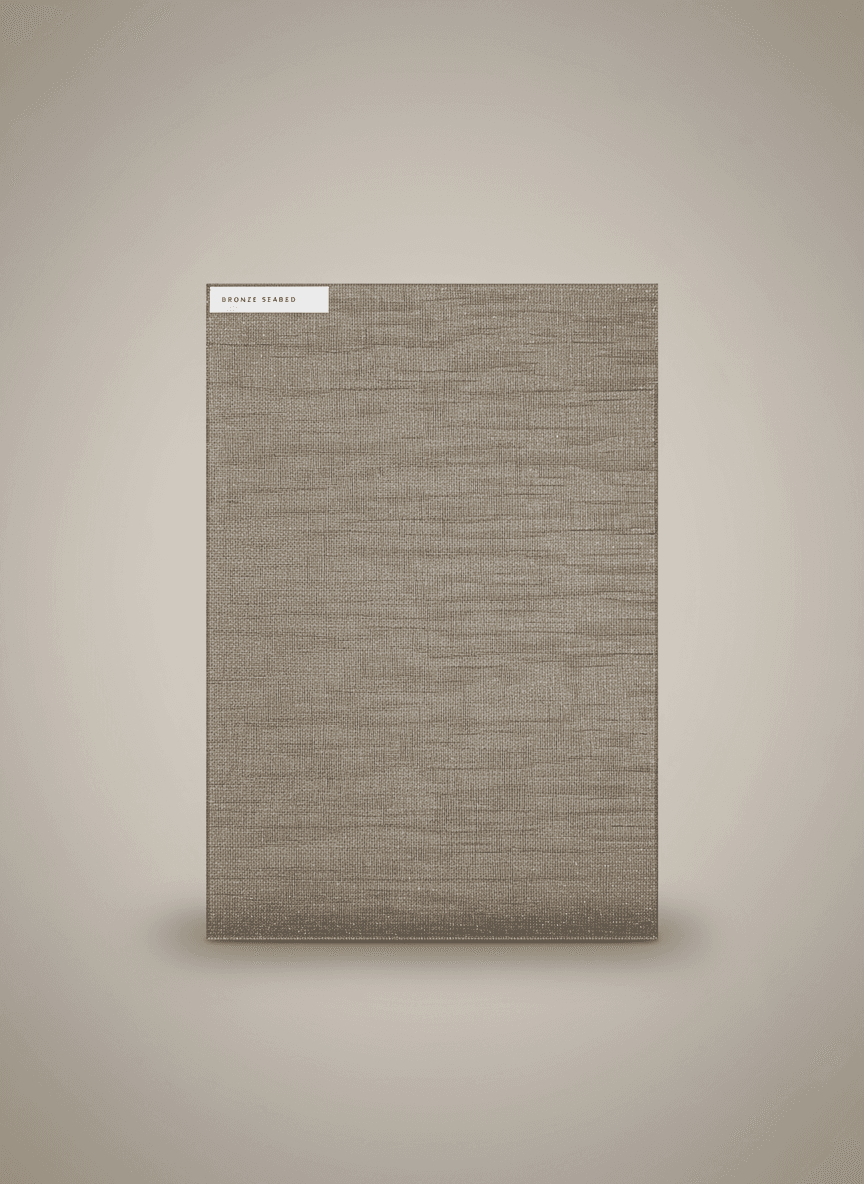
Fabric Glass
Textile suspended in glass, the softness of cloth held in the stillness of crystal.
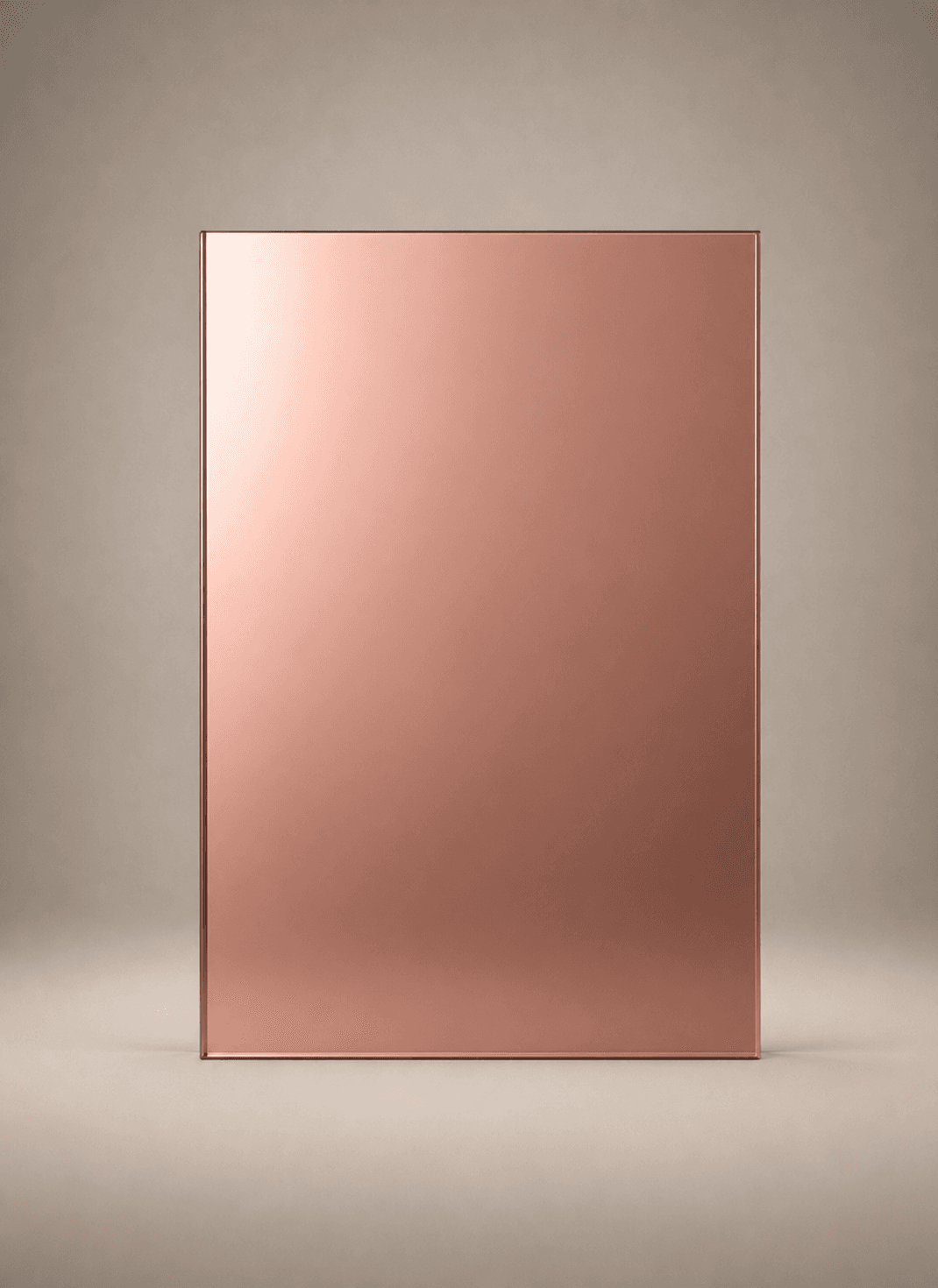
Lacquered Glass (Back painted)
Colour laid behind glass with depth, density and all new metallic finishes
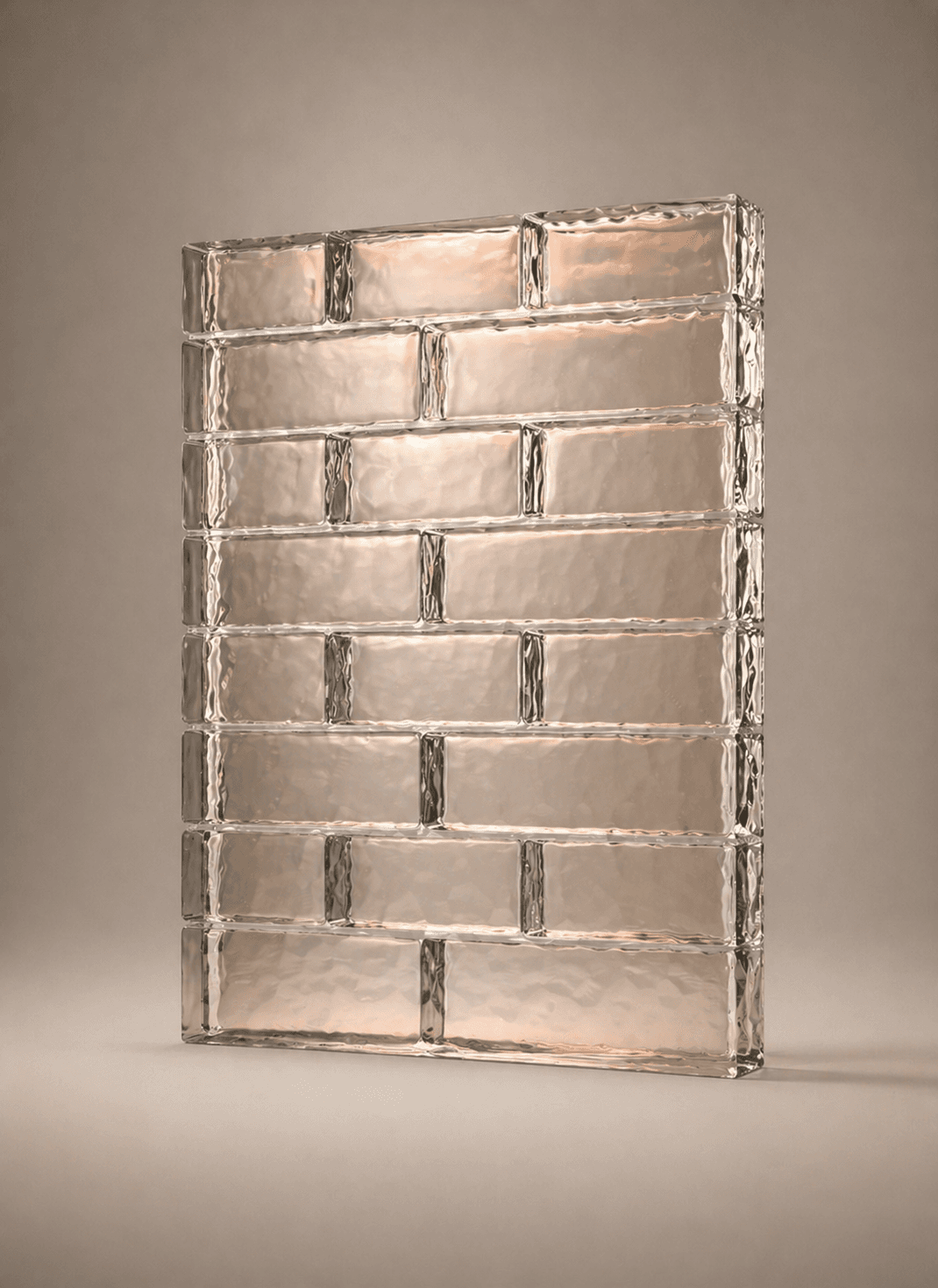
Glass Bricks
Light made solid with a wall that glows from within
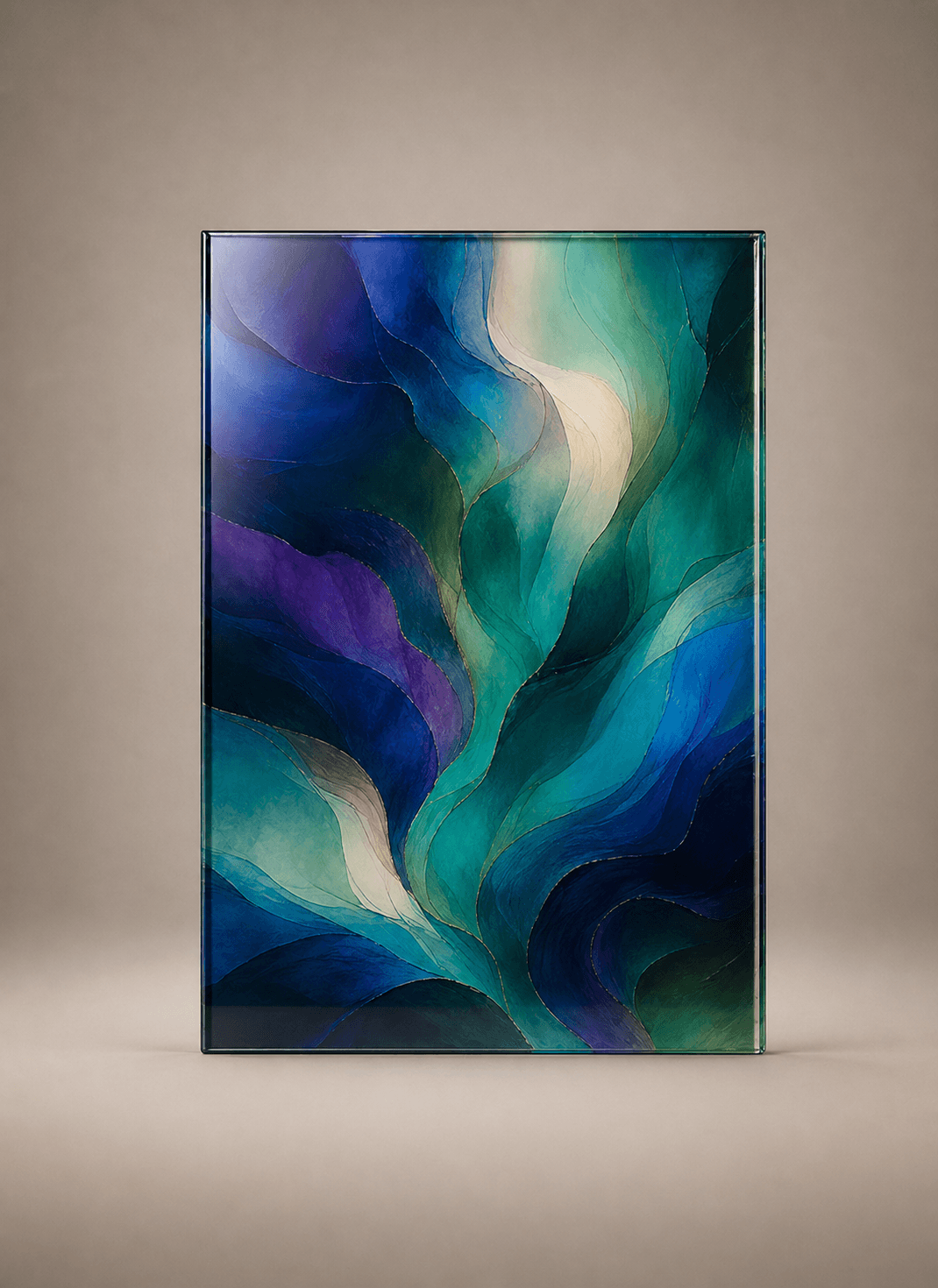
Digital Glass (NUMA-Artis)
Custom imagery, gradients, and patterns fired into the surface.
Find glass by property
Pattern Glass
Refracting light through geometry. Kiln-formed and rolled surfaces.
Kiln Cast Glass
Surface as statement. Frozen in motion.
Backlit Glass
Glass that holds and emits light. Ambient, architectural, atmospheric.
Mesh Glass
Light caught in a lattice; a whisper of metal suspended in glass, where structure becomes ornament.
Fabric Glass
Textile suspended in glass, the softness of cloth held in the stillness of crystal.
Lacquered Glass (Back painted)
Colour laid behind glass with depth, density and all new metallic finishes
Glass Bricks
Light made solid with a wall that glows from within
Digital Glass (NUMA-Artis)
Custom imagery, gradients, and patterns fired into the surface.
The language of architectural glass
Every material has its own vocabulary. Here is the one you need to specify glass with authority.
Kiln-Formed Glass
Shaped by heat, not cutting. Organic edges, unique surfaces — each piece carries the mark of its making.
Tempered Glass
Safety glass, heat-treated to fracture into small, blunt fragments. Required for doors, enclosures, and high-traffic applications.
Laminated Glass
Two panes bonded by an interlayer — PVB or SGP. Acoustic and security grade. Holds together on impact.
Low-Iron Glass
Ultra-clear float glass without the green tint of standard stock. True neutral reflection — essential for mirrors and premium installations.
Acid-Etched Glass
Surface treated with acid for precise, uniform frosting. Consistent translucency without the variation of sandblasting.
Digital Print Glass
Ceramic ink fired permanently into the glass surface. UV-stable, moisture-resistant, and specifiable in any custom image or pattern.
Fluted / Reeded Glass
Vertical channels rolled or pressed into the glass surface. Refract and diffuse light — the defining material of contemporary interiors.
Mesh / Fabric Glass
Metal or textile interlayer laminated between two panes. Decorative depth with structural integrity.
Glass specification guide
The parameters that define every architectural glass installation — for architects, designers, and specifiers.
Thickness Guide
Finish Options
Edge Treatments
Custom Sizing
All NUMAEX products are made to specification. No standard module constraints — glass is cut to your opening.
Hardware Compatibility
All NUMAEX hardware finishes — champagne gold, matte black, autumn beige are specified to coordinate across Shoji, Paloma, Oscillo, Numa, and Tydis. One finish language across your entire installation.
Consult the Studio
Our studio team works with architects and designers to specify the right glass solution for every condition.