The Art of Transparency
Contemporary architects are rethinking the role of glass, not as barrier or boundary, but as the primary material of experience.
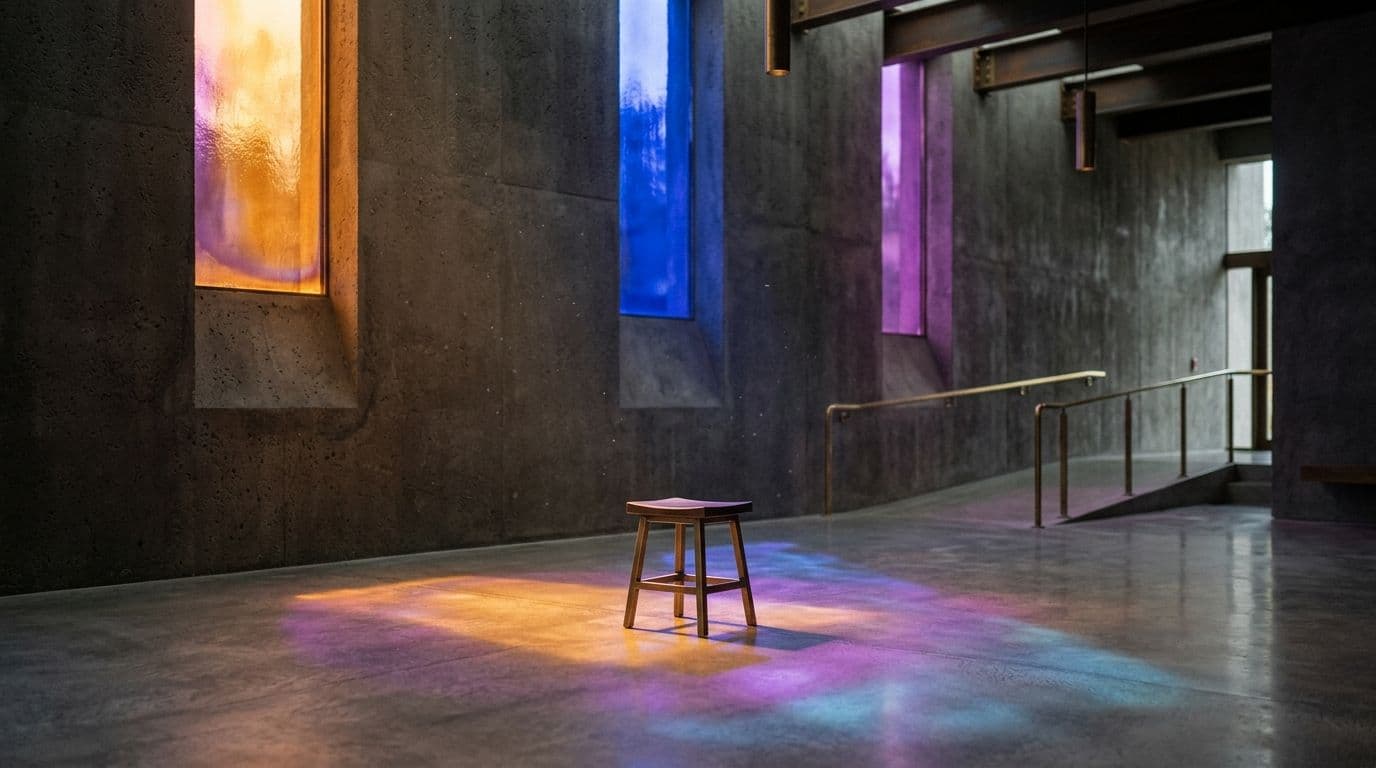
There is a particular quality of light inside the Chapel of St. Ignatius in Seattle, designed by Steven Holl in 1997, that is difficult to describe without sounding slightly unhinged. The building uses what Holl called ‘bottles of light’: thick, coloured glass volumes that filter the Pacific Northwest’s flat grey daylight into pools of amber, violet, and deep blue. Standing inside on a Tuesday morning with no particular reason to be there, the glass does something that stone or concrete cannot. It makes the air feel inhabited.
This is what architects have always understood about glass, and what the rest of us are only now beginning to articulate: the material is not transparent so much as it is transformative. It doesn’t simply let light in. It edits it.
The structural turn
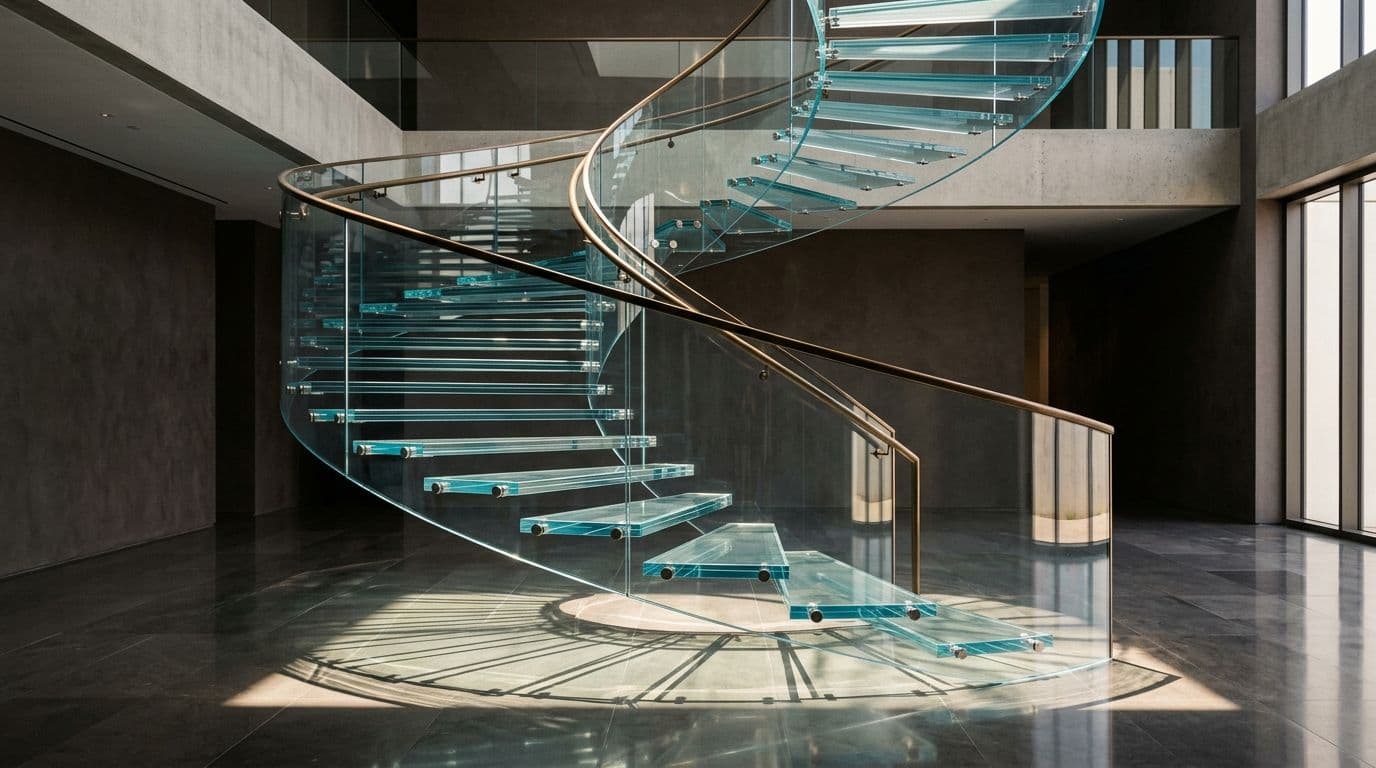
For most of the twentieth century, glass was architecture’s supporting cast. Curtain walls, shopfronts, greenhouse roofs. Functional, clear, and largely unremarked upon. The shift began in earnest with the work of structural glass pioneers like Peter Rice, whose engineering work on the Louvre Pyramid, completed in 1989, demonstrated that glass could carry loads, read as primary structure, and still maintain an almost immaterial quality. The pyramid receives roughly 9,000 visitors a day. Most of them spend the first few minutes simply looking at it. (Dezeen, ‘How glass became architecture’s most expressive material’, 2022)
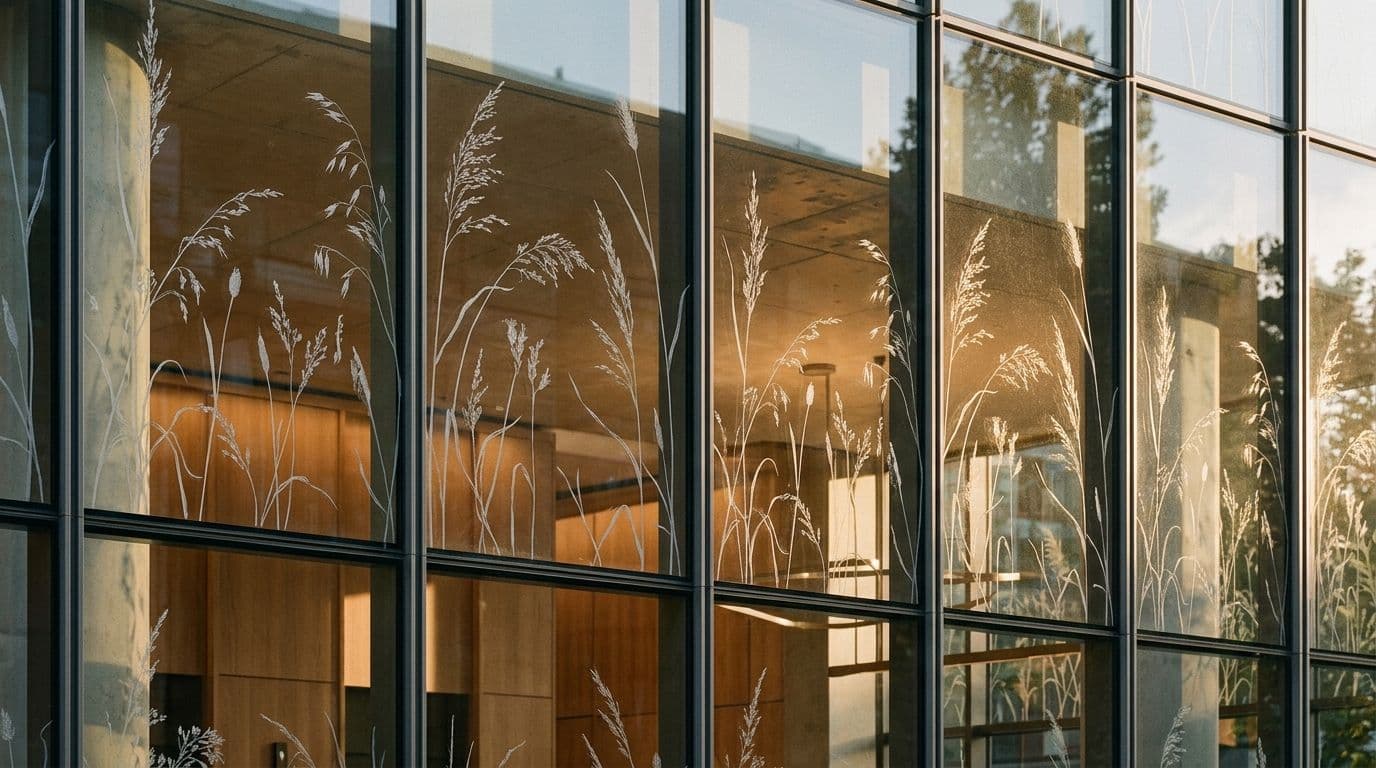
What followed was a long conversation in architecture schools and practices about what glass was for. Was it a wall? A window? A signal of openness: corporate, civic, or domestic? Herzog & de Meuron’s Ricola-Europe Factory in Mulhouse (1993) treated glass as a printing surface, screening botanical imagery across the facade in a move that was simultaneously industrial and poetic. The building suggested a third possibility: glass as canvas.
Texture enters the room
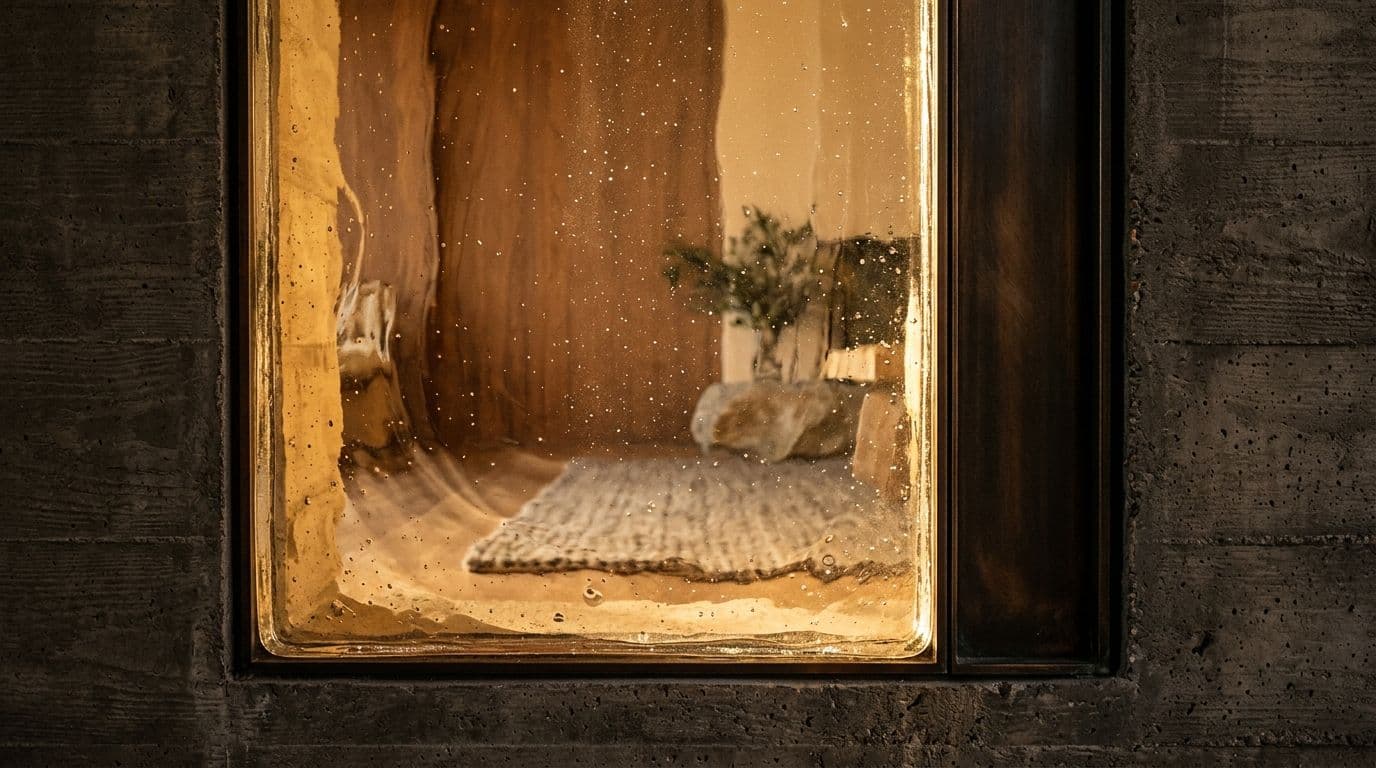
The clearest sign of glass’s maturation as a design material is the wholesale abandonment of clarity as its defining virtue. Across studios in Tokyo, Copenhagen, and Mumbai, architects and designers are specifying textured, kiln-formed, acid-etched, and rolled glass with the same considered attention previously reserved for stone or timber. (Wallpaper*, ‘The New Language of Glass Interiors’, 2023)
Kengo Kuma, who has built an entire design philosophy around the dissolution of the boundary between interior and exterior, has spoken at length about glass as a material of atmosphere rather than architecture. His use of layered, translucent screens, in projects from the Asakusa Culture Tourist Information Center to the V&A Dundee, prioritises diffusion over transparency, mood over view. “I want to erase the building,” Kuma has said. The glass, in his hands, is the primary instrument of that erasure. (Architectural Digest, ‘Kengo Kuma and the Architecture of Disappearance’, 2021)
In Scandinavia, the approach is more austere. At the 2023 Venice Architecture Biennale, several Nordic practices exhibited work exploring what Dezeen described as “the ethics of glass”: the relationship between visual transparency, privacy, and the social contract of the shared city. (Dezeen, Venice Architecture Biennale coverage, 2023) Glass, in this reading, is never neutral. Every specification is a statement about who can see whom, and from where.
Light as material
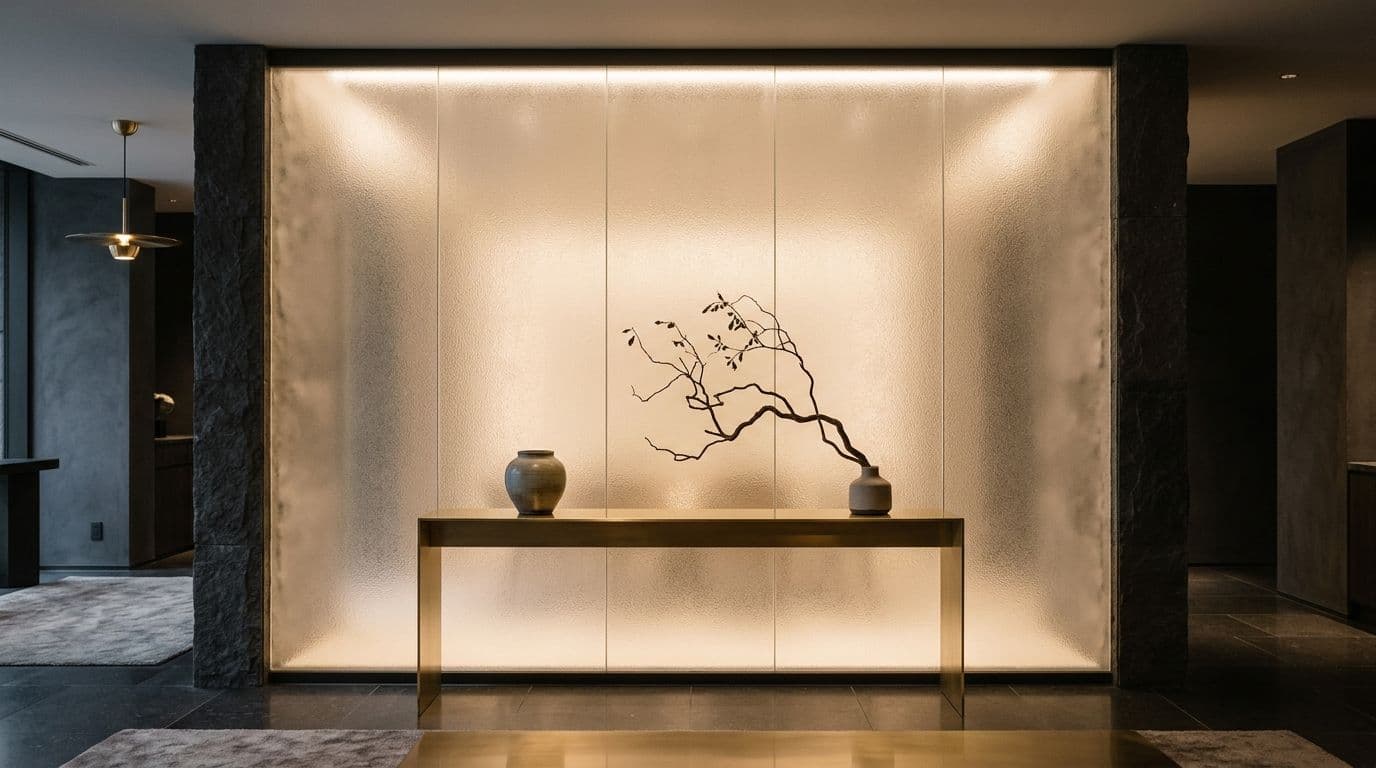
Perhaps the most significant recent development is the integration of glass with light sources, not as backlit signage or retail display, but as genuine architectural surface. Backlit glass panels in hospitality lobbies, illuminated partition walls in wellness environments, LED-integrated mirrors that calibrate colour rendering to within a CRI of 95 or above. The effect, when it is done without ostentation, is a wall that appears to glow from within: less luminaire, more atmosphere.
This is territory that Indian luxury interiors have moved into with particular confidence. The same Japandi sensibility, restraint, material honesty, the quiet drama of a single well-resolved surface, that has driven high-end residential design in Tokyo and Copenhagen for a decade is now shaping bathrooms, hotel suites, and corporate lobbies from Bangalore to Hyderabad. Manufacturers working in this space, including a handful of Indian glass houses with deep craft lineages, are producing backlit panels and illuminated surfaces that sit comfortably alongside the best European specification. The product, increasingly, is indistinguishable from its international counterparts. The provenance is the point of difference.
The experiential turn
What ties these threads together, structural innovation, textured surfaces, integrated light, is a shared conviction that glass is now primarily an experiential material. Not a functional one. Architectural Digest’s 2024 survey of luxury residential interiors found that textured and specialty glass had become the most-specified decorative surface material in projects above a certain budget threshold, overtaking marble veneer for the first time. (Architectural Digest, ‘Material Trends in Luxury Residential Design’, 2024)
This is a significant cultural shift. For most of the last century, glass was the material of exposure: the open-plan office, the glass-box house, the retail window. The new glass is the opposite. It filters, diffuses, conceals, and reveals on its own terms. It gives the architect and the occupant control over visibility in a way that solid material never could.
Steven Holl’s bottles of light in Seattle were doing this in 1997. The rest of the industry has spent the intervening decades catching up.
What comes next
The frontier, if there is one, is in the integration of glass with building intelligence. Electrochromic glazing, which transitions from clear to opaque in response to electrical charge, has been commercially available for over a decade, but the costs have kept it largely in the corporate sector. (Dezeen, ‘Smart Glass and the Future of the Adaptive Building’, 2023) As those costs fall, the domestic and hospitality specification is expected to follow.
The more immediate shift, though, is quieter and harder to quantify. It is the growing understanding, among architects, developers, and the people who commission and inhabit these spaces, that glass is not a neutral material. That every choice about surface, texture, depth, and light is a decision about how a room feels to be in, and how the people inside it experience their own time and attention.
The building, at its best, disappears. What remains is the light it lets through.
Sources: Dezeen; Wallpaper*; Architectural Digest; Steven Holl Architects; Kengo Kuma & Associates